Is Keratoconus Getting Worse? Signs You Need a Specialist Eye Exam Right Now
Keratoconus can be confusing, overwhelming, and easy to ignore, especially in the early stage. Many people assume it’s just blurry vision or regular astigmatism, until one day, glasses stop working, night driving becomes a struggle, and everything looks distorted.
If you’re experiencing similar symptoms and wondering what to do next, this guide will help you understand when it’s time to visit keratoconus eye exam specialists in Miami, particularly if you’re in or near Brickell.
Whether you’re someone who just discovered Keratoconus or you already know you have it and want to prevent deterioration, this blog covers everything you should know.
What is Keratoconus?
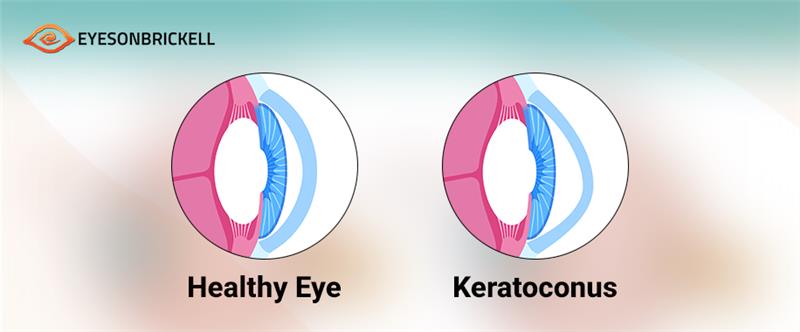
Keratoconus is a progressive eye condition where the cornea, the clear front layer of your eye, becomes thin and gradually bulges outward like a cone.
This irregular shape prevents light from focusing correctly, making your vision:
- Blurry
- Distorted
- Sensitive to light
- Difficult at night
In simple words: Your eye loses its natural smooth curve and starts warping, which affects how clearly you see.
How Do You Know If Keratoconus is Getting Worse?
As Keratoconus progresses, the cornea continues to thin and steepen. You might notice changes gradually, or suddenly; every patient is different.
Here are the top signs that Keratoconus is worsening:
1. Your Glasses Prescription Keeps Changing
If you find yourself needing stronger glasses every few months, this is a major red flag.
2. Night Driving Becomes Difficult
Halos, starbursts, and glare, especially around headlights, are very common warning signs.
3. Double or Ghost Vision
Even with glasses, text may look doubled or shadow-like.
4. Frequent Headaches or Eye Strain
Your eyes work harder to focus when the cornea is misshapen.
5. Increased Light Sensitivity
Bright screens, sunlight, and even indoor lighting may feel unbearable.
6. Sudden or Rapid Vision Deterioration
If your vision drops suddenly, urgent evaluation is needed.
If you experience any of the above, it’s time to consult keratoconus eye exam specialists in Miami before it progresses further.
Why Keratoconus Gets Worse Over Time?
Keratoconus doesn’t stop on its own, it typically progresses with age, especially during teenage and young adult years. Without proper monitoring or treatment, vision can continue to decline.
Factors that May Worsen Keratoconus:
| Factor | How It Affects Eyes |
|---|---|
| Frequent Eye Rubbing | Weakens the cornea rapidly |
| Allergies & Inflammation | Causes irritation and thinning |
| Genetics | Often runs in families |
| UV Exposure (common in Miami) | Speeds up corneal damage |
| Poorly Fitted Lenses | Can worsen thinning over the years |
How Specialists Detect Keratoconus Progression
At Eyes on Brickell, advanced diagnostic tools help measure corneal shape, thickness, and stability — something regular eye exams can’t detect properly.
A specialist may perform:
- Corneal Topography: Creates a 3D curvature map
- Pachymetry: Measures corneal thickness
- Wavefront Analysis: Checks distortions in vision
- Slit Lamp Exam: Identifies cone shape & scarring
These tests help determine whether your condition is stable or progressing and what treatment is best for your eyes.
Treatment Options If Your Keratoconus is Progressing
Every patient is different, and treatment depends on severity. Here are the most recommended management options:
Early Stage:
- Eyeglasses
- Soft Contact Lenses
Moderate Stage:
- Rigid Gas Permeable Lenses
- Scleral & Hybrid Lenses (excellent comfort + clarity)
Progressing or Advanced Stage:
- Corneal Cross-Linking (CXL) strengthens the cornea & slows progression Intacs implants
- In rare final stages Corneal transplant may be required
Early detection significantly reduces the risk of advanced treatment. This is why comprehensive eye exams matter.
Final Thoughts
Keratoconus can feel intimidating, but the right specialist makes all the difference. With early detection, proper monitoring, and modern treatments like Cross-Linking, many patients continue to enjoy clear vision and a comfortable life.
If you are noticing ANY changes or suspect progression, don’t wait. Consult Dr. Antoine Copty Trusted Keratoconus Eye Care Specialist at Eyes On Brickell. We welcome you at 2885 SW 3rd Ave, Suite 100, Miami, FL 33129. Book your appointment now.
Frequently Asked Questions
1. What are the early signs of Keratoconus?
Early signs may include blurry or distorted vision, sensitivity to light, frequent headaches, and the need to change glasses prescriptions more often than usual.
2. How do I know if my Keratoconus is getting worse?
If your vision becomes cloudy, you see halos around lights, your night driving worsens, or your prescription keeps changing, Keratoconus is likely progressing.
3. When should I visit Keratoconus eye exam specialists in Miami?
You should see a specialist as soon as you notice sudden or frequent vision changes, ghost images, glare, or if glasses and contact lenses no longer improve clarity.
4. Can Keratoconus be stopped from worsening?
Yes. Treatments like Corneal Cross-Linking can help strengthen the cornea and slow or stop progression, especially when detected early.
5. What tests are done during a Keratoconus eye exam?
Specialists typically perform corneal topography, pachymetry, slit lamp evaluation, and wavefront analysis to check corneal shape, thickness, and distortions.
6. What treatment options help in progressive Keratoconus?
Treatment may include scleral lenses, hybrid lenses, rigid gas permeable lenses, corneal cross-linking, Intacs implants, and, in advanced cases, corneal transplant.
7. Is Corneal Cross-Linking a permanent solution?
Cross-linking is a highly effective long-term option to halt or slow progression, but regular eye check-ups are still necessary to monitor stability.
8. How often should I get my eyes checked if I have Keratoconus?
Most patients benefit from follow-ups every 6–12 months, but those with rapid progression may need more frequent monitoring.