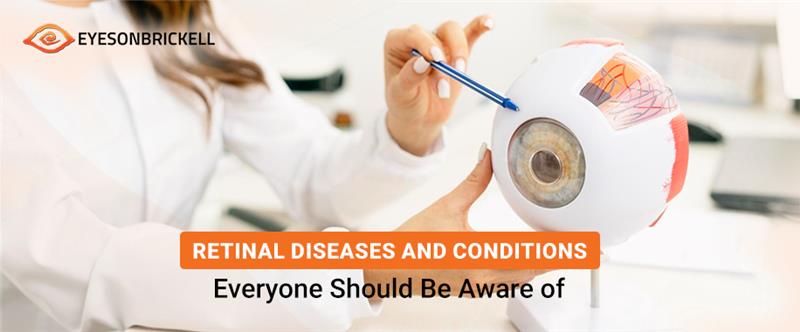
Retinal Diseases and Conditions Everyone Should Be Aware of
Your eyes are one of the most delicate and vital organs in your body, and the retina plays a crucial role in how you see the world. The retina is a thin layer of tissue at the back of your eye responsible for converting light into signals that your brain can interpret. Damage to the retina can cause permanent vision loss, which is why regular retinal eye exams are essential for early detection and treatment of eye problems.
In this guide, we’ll cover why retinal screening eye exams matter and the most common retinal diseases and conditions you should be aware of.
What is a Retinal Eye Exam?
A retinal eye exam is a specialized diagnostic procedure where your eye doctor examines the retina, optic nerve, and blood vessels at the back of your eye. Advanced imaging technology, such as Optical Coherence Tomography (OCT) and digital retinal photography, allows for early detection of eye diseases – often before symptoms appear.
Regular Retinal Screening Eye Exams can Help Detect:
- Early signs of retinal diseases.
- Diabetic eye complications.
- High blood pressure-related damage.
- Other systemic health issues affecting the eyes.
Why Retinal Screening Eye Exams Are Important
Many retinal diseases develop silently, without noticeable symptoms in the early stages. By the time vision changes occur, the condition might already be advanced. Early diagnosis through retinal eye exams offers the best chance to preserve your sight.
Benefits of Regular Retinal Screening include:
- Early detection of vision-threatening diseases.
- Better treatment outcomes.
- Monitoring ongoing eye health.
- Detecting other underlying health problems.
Common Retinal Diseases and Conditions You Should Know About
1. Diabetic Retinopathy
A complication of diabetes that damages the blood vessels in the retina. If left untreated, it can lead to blindness.
- Symptoms: Blurred vision, dark spots, difficulty seeing at night.
- Prevention: Control blood sugar levels and have regular retinal eye exams.
2. Age-Related Macular Degeneration (AMD)
A leading cause of vision loss among people over 50, AMD affects the macula — the part of the retina responsible for central vision.
- Symptoms: Distorted vision, difficulty reading, and dark spots in central vision.
- Treatment: Lifestyle changes, medications, and in some cases, laser therapy.
3. Retinal Detachment
Occurs when the retina pulls away from its normal position. It’s a medical emergency that can cause permanent vision loss if not treated promptly.
- Symptoms: Sudden flashes of light, a sudden increase in floaters, shadow over part of your vision.
- Treatment: Surgery is usually required.
4. Macular Hole
A small break in the macula can cause blurred or distorted central vision.
- Symptoms: Blurred vision, straight lines appearing wavy.
- Treatment: Surgery to repair the hole.
5. Retinitis Pigmentosa
A group of genetic disorders that affect the retina’s ability to respond to light.
- Symptoms: Night blindness, loss of peripheral vision.
- Treatment: No cure yet, but treatments can slow progression.
How Often Should You Get a Retinal Screening Eye Exam?
- Healthy adults: Every 1–2 years.
- People with diabetes or other eye risk factors: At least once a year.
- Over age 50: Annually for early detection of age-related diseases.
Protect Your Vision with Regular Retinal Eye Exams
Experiencing blurry vision or dark spots?
Don’t wait—schedule your appointment for comprehensive retinal eye exam now.
Make An Appointment
Your vision is irreplaceable; don’t wait for symptoms to appear. At Eyes on Brickell, we use state-of-the-art imaging technology for comprehensive retinal screening eye exams to ensure your eyes remain healthy for years to come.
Visit Eyes on Brickell at 2885 SW 3rd Ave, Suite 100, Miami, FL 33129 to Make an appointment today!
FAQs on Retinal Eye Exams and Common Retinal Diseases
1. How long does a retinal eye exam take?
A standard retinal eye exam usually takes 15–30 minutes, depending on whether your eyes are dilated and if additional imaging tests are needed.
2. Will I be able to drive after a retinal screening eye exam?
If your eyes are dilated, you may experience blurred vision and light sensitivity for a few hours. It’s safer to arrange for someone to drive you home after the exam.
3. Do I need to prepare for a retinal eye exam?
There’s no special preparation required. However, bring your current glasses or contact lenses and a list of any medications you’re taking.
4. How much does a retinal screening eye exam cost?
Costs vary depending on the clinic, location, and whether advanced imaging is included. Many vision insurance plans cover annual retinal screenings, especially for high-risk patients.
5. Can I wear makeup during a retinal eye exam?
It’s best to avoid heavy eye makeup, as it can interfere with certain tests and imaging equipment.
6. How soon will I get my results?
In most cases, your eye doctor can discuss the results immediately after the exam and recommend any follow-up care if needed.
7. Are retinal eye exams covered by insurance?
Many insurance plans cover retinal exams for preventive care or if you have certain risk factors. It’s best to check with your provider before scheduling.